
Red Skin Explained: Why Your Skin Gets Red Easily

Have you ever wondered why your skin seems to turn red at the slightest provocation? Understanding the reasons behind this common phenomenon can help you better care for your skin and manage any underlying issues. Let's delve into the science behind why your skin gets red easily.
What causes skin redness?
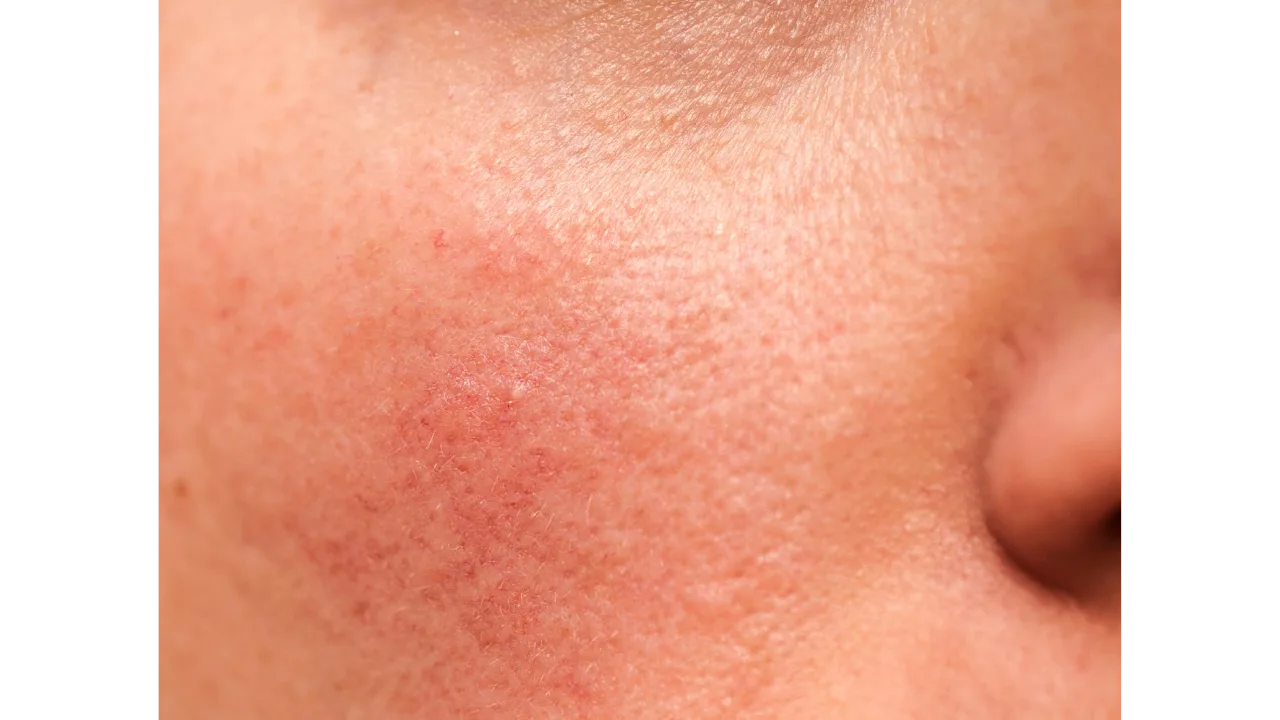
Skin redness, also known as erythema, can be triggered by a variety of factors. One common cause is the dilation of blood vessels near the skin's surface. This increased blood flow can be a response to stimuli such as heat, cold, stress, or irritation. Inflammation, allergic reactions, and skin conditions like rosacea can also contribute to redness.
Why does stress make your skin red?
Stress is a well-known trigger for skin redness. When you're stressed, your body releases hormones like cortisol, which can dilate blood vessels and increase blood flow to the skin. This can result in a flushed or red appearance. Managing stress through relaxation techniques, exercise, and adequate sleep can help reduce the likelihood of stress-induced redness.
How does skin care play a role?
The products you use on your skin can also impact its tendency to become red. Harsh chemicals, fragrances, and abrasive exfoliants can irritate the skin, leading to redness and inflammation. Opt for gentle, fragrance-free products formulated for sensitive skin to minimize the risk of irritation.
Can diet affect skin redness?
Your diet can play a role in skin health, including redness. Spicy foods, alcohol, and hot beverages can all contribute to skin flushing in some individuals. Pay attention to how your skin reacts to different foods and beverages, and consider keeping a food diary to identify potential triggers.
What are some solutions for reducing skin redness?
If you're dealing with frequent skin redness, there are steps you can take to help manage and reduce it. Using a gentle cleanser, moisturizing regularly, and applying a soothing, anti-inflammatory cream can help calm redness and irritation. In more severe cases, a dermatologist may recommend prescription treatments or procedures to address underlying skin conditions.

By understanding the factors that contribute to skin redness and taking proactive steps to care for your skin, you can minimize redness and maintain a healthy, glowing complexion. Remember to listen to your skin's needs and seek professional advice if you have concerns about persistent redness or irritation.